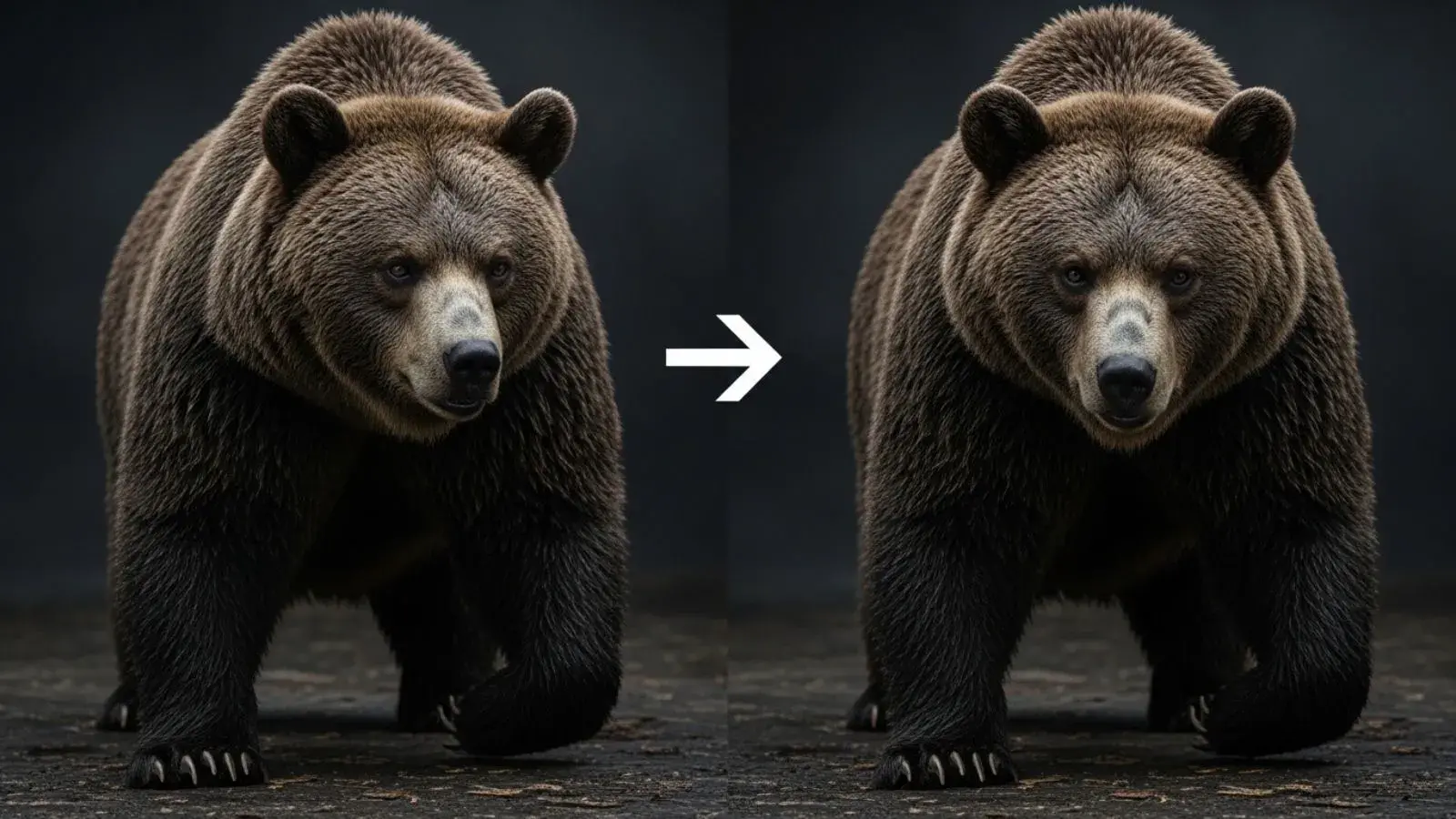
If you have ever stopped while writing She her responsibilities or The dog its teeth, you are not alone.
The confusion between bears or bares is common because both words look and sound similar. However, their meanings are completely different.
This quick guide explains the difference clearly, with simple examples, so you always choose the right word.
Bears or Bares – Quick Answer
Bears means to carry, support, endure, or produce.
Bares means to uncover, reveal, or expose.
Simple examples:
- She bears full responsibility for the project.
- He could not bear the pain any longer.
- The company bears the cost.
vs.
- She bares her soul in the letter.
- The dog bares its teeth.
- He bared his arms.
👉 Rule to remember:
If it means carry or tolerate, use bears.
If it means show or uncover, use bares.
The Origin of Bears or Bares
Understanding where these words come from makes the difference clearer.
Origin of bear
The word bear comes from Old English beran, meaning to carry, bring, or endure. For centuries, it has been used to describe physical carrying (bear a load) and emotional or mental endurance (bear hardship). Over time, it also took on meanings like responsibility, guilt, and producing results.
That is why we say:
- bear responsibility
- bear a burden
- bear fruit
- bear consequences
Origin of bare
The word bare comes from Old English bær, meaning naked or uncovered. Its core idea has always been about removal or exposure. When you bare something, you remove what covers it.
That is why we say:
- bare skin
- bare facts
- bare emotions
The confusion exists because both words sound the same, but their histories—and meanings—are completely different.
British English vs American English Spelling
This is where many writers expect a difference—but there isn’t one.
Bears and bares are spelled the same in British English and American English. The confusion is not regional. It is purely about meaning.
Comparison Table: British vs American Usage
| Word | British English | American English | Meaning |
|---|---|---|---|
| bears | bears | bears | carry, endure, take responsibility |
| bares | bares | bares | uncover, reveal, expose |
✔ No spelling variation
✔ No regional preference
✔ Meaning is the only difference
Which Spelling Should You Use?
The right choice depends on what you want to say, not where your audience is.
Use bears if your sentence involves:
- responsibility
- pressure
- cost
- pain
- guilt
- results
Examples:
- The company bears all legal responsibility.
- He bears the emotional burden alone.
Use bares if your sentence involves:
- skin
- truth
- emotions
- secrets
- physical exposure
Examples:
- The article bares the truth.
- She bares her feelings openly.
Audience-based advice:
- US audience: same rule applies
- UK/Commonwealth: same rule applies
- Global writing: same rule applies
👉 This is not a spelling issue. It is a meaning issue.
Common Mistakes with Bears or Bares
These mistakes appear often in blogs, news headlines, and professional emails.
Mistake 1: Using bares for responsibility
❌ He bares the blame.
✔ He bears the blame.
Mistake 2: Using bears for exposure
❌ The report bears the truth.
✔ The report bares the truth.
Mistake 3: Confusing physical vs abstract meaning
❌ She bared the burden alone.
✔ She bore the burden alone.
Mistake 4: Forgetting tense forms
- bear → bore → borne
- bare → bared → bared
Understanding the verb tense helps avoid errors in formal writing.
Bears or Bares in Everyday Examples
Emails
- Our team bears full responsibility for the delay.
- Please note this message bares sensitive details.
News
- The minister bears the cost of the decision.
- The investigation bares deep flaws in the system.
Social Media
- Adult life bears no mercy 😂
- This post bares my real feelings.
Formal Writing
- The organization bears legal liability.
- The study bares previously hidden data.
Bears or Bares – Google Trends & Usage Data
Search data shows that “bears or bares” spikes during:
- exam seasons
- writing assignments
- grammar checks
- content creation
Usage patterns:
- Bears appears more often in:
- legal writing
- business articles
- academic papers
- Bares appears more often in:
- journalism
- storytelling
- emotional or dramatic writing
Countries with high search volume include:
- United States
- United Kingdom
- India
- Australia
- Canada
This confirms that the confusion is global, not regional.
Comparison Table: Bears vs Bares
| Feature | Bears | Bares |
|---|---|---|
| Core meaning | carry, endure | reveal, uncover |
| Used with | responsibility, cost, pain | skin, truth, emotions |
| Abstract use | yes | limited |
| Physical use | limited | yes |
| Common contexts | legal, business | emotional, descriptive |
FAQs
1. Is bears or bares correct in “___ responsibility”?
Bears is correct.
2. Can bares ever mean responsibility?
No. Bares never means responsibility.
3. Do British and American English use different spellings?
No. Both use the same spelling.
4. Which word is more formal?
Neither. Both are formal when used correctly.
5. How do I remember the difference?
Think bare = naked. If something is uncovered, use bares.
6. Is “bear with me” related?
Yes. It comes from bear, meaning endure.
7. Can animals bare something?
Yes. Animals can bare their teeth.
Conclusion:
The difference between bears and bares is based on meaning, not spelling rules or regions.
Bears relates to carrying, enduring, or taking responsibility, while bares means revealing or exposing.
Choosing the correct word improves clarity, credibility, and professionalism in all types of writing.
Once you remember this meaning-based rule, the confusion disappears for good.

I’m American writer known for precise, economical use of language and strong narrative voice. My work is frequently studied for sentence rhythm, word choice, and how meaning is shaped through grammar, making it valuable for close reading and English comparison studies.